Behind the Craft: Crafting Ergonomic Luxury Beds with Traditional Techniques
In a world of ever-sharp industrial edges and rapid production, luxury handmade beds persist as quiet rebellions of patience, skill, and material memory. This is not merely about sleep, but about a ritual of making: joints that kiss with precision, fabrics that learn your scent, woods that carry centuries of grain and grain-age. The following exploration traces the arc from timber to bed, from rough sawn heartwood to upholstered headboard, threading through ergonomic intention and time-honored joinery. It is an editorial portrait of a craft that has kept faith with hands and hours, translating craft signals into sleep that feels engineered for the soul.
Section I — The Timber DNA: Oak, Walnut, and the Grammar of Strength
The bed is a living instrument, and like any instrument, its voice comes from the material. Oak speaks with an amber resonance, a density that rewards patient sanding and careful moisture management. Walnut brings a regal dusk—finer grain, subtle contrast, and a warmth that ages like a treasured chair in a sunlit room. The choice of timber is not decorative; it defines stiffness, weight distribution, and long-term behavior under load. In a luxury handmade bed, the timber is not merely the frame but the skeleton that supports ergonomic intent: a bed that holds its alignment through decades of sleep.
Joinery, too, is a language. Traditional hand-cut mortise and tenon, dovetails tucked into rails, and pinned connections—all speak of a philosophy in which the bed must endure the rhythms of a lifetime. The right joint resists rack and sway, allowing the headboard to stand firm against restless nights and the footboard to hold its line as you rise each morning. The craftsperson’s touch—hand-fit joints, controlled tolerances, the feel of wood meeting tool steel—becomes the quiet argument for longevity.
In contemporary practice, these woods are paired with finishes that respect the grain rather than mask it. Eco-friendly hand-rubbed oils reveal the living texture of each plank, inviting gentle maintenance rather than sudden overhauls. The result is a bed that promises the quiet luxury of tactile truth: you can trace the grain with a fingertip and feel the care that went into its making.
Section II — Upholstery as a Craft Signal: Headboards, Rails, and Breathable Textiles
Upholstery in a luxury handmade bed is more than a surface; it is a dialogue between comfort, durability, and climate. Fabrics chosen for headboards and rails balance tactile softness with resilience under daily use. Natural fibers—linen, cotton blends, or wool-rich weaves—offer breathability that modulates temperature without sacrificing support. The craftsperson’s padding strategy matters: a carefully layered foam or natural fill forms a stable, ergonomic contour that cradles the neck and shoulders while allowing spinal alignment to remain unstrained.
Color and texture carry the design language of the room. A neutral, matte upholstery tends to recede, letting the bed frame and its timber drama take center stage; a deeper, richer hue can anchor a room with a sense of quiet drama. The upholstery is not merely decorative; it is the interface through which the sleeper experiences the bed’s ergonomics—a soft, responsive embrace after a long day followed by a decisive, supportive memory during the night.
In the modern atelier, upholsterers approach headboard curves with a reverence for geometry. Subtle curvature aligns with neck and thoracic posture, while the rail and leg connections are designed to resist creaks—an audible reminder that comfort is a product of both silence and support.
Section III — Case Studies: The Workshop as Narrative
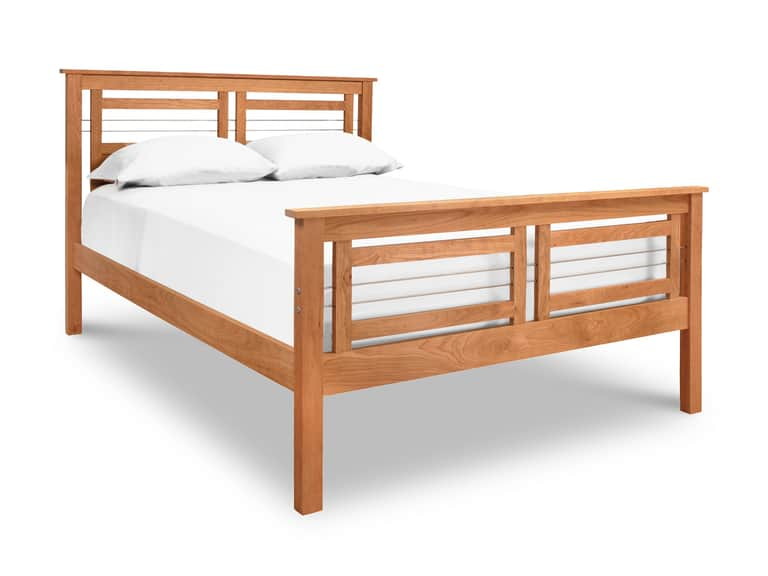
Idea 1 centers on a workshop in Vermont where a Contemporary Cable Bed is born from solid hardwoods. The Vermont Furniture Designs production line demonstrates traditional joinery, stainless steel cable accents, and a hand-rubbed oil finish. The bed’s construction fuses time-tested techniques with a contemporary edge—an emblem of how heritage can reside within a modern aesthetic.
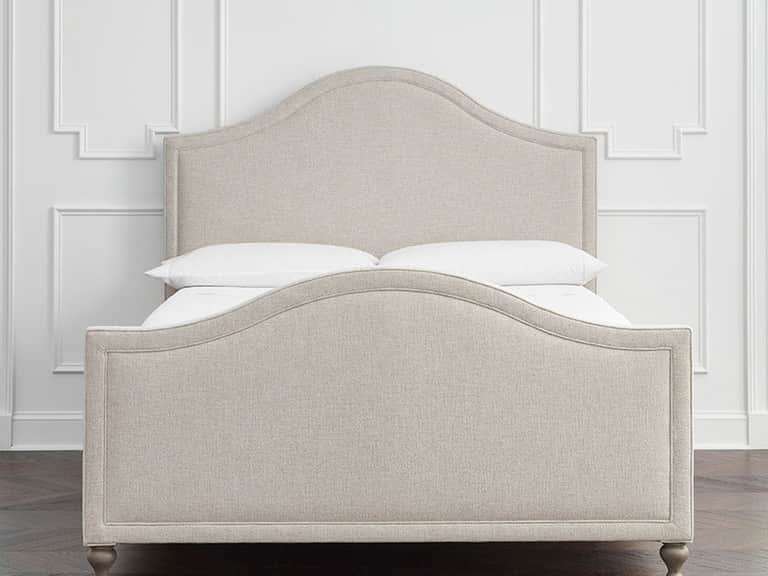
Idea 2 follows a team that crafts a Charlotte Upholstered Bed with Footboard in the United States. A Maplewood frame bears the weight of 100% polyurethane upholstery, as artisans hand-attach fabrics and calibrate padding to achieve lasting comfort. Each colorway—Perry on Ivory, Village on Pebble, Brisa on Ash—reads like a textile map of taste, reinforcing how material and color choices shape the sleeping experience.
Idea 3 unfolds through a close look at a bed built from oak and walnut, with joinery that travels from rough-cut timber to finished product. The narrative invites readers to witness quality control: moisture checks, grain orientation decisions, and finish tests that ensure the bed remains faithful to its ergonomic promise over decades.
Section IV — Quality Control and Sustainability: A Moral of Materials
In luxury woodworking, sustainability is not a marketing slogan but a discipline. Ethical sourcing, certification where possible, and responsible waste management inform every decision—from timber selection to finishing solvents. Artists and designers working in this field insist on a closed-loop approach: use every scrap, recycle finishes, and choose woods from forests managed with long-term stewardship. This ethic underwrites the bed’s longevity; a bed built to endure becomes, in turn, a sustainable choice by virtue of its repairability and memorable resilience.
The ergonomic objective—achieving ideal alignment—begins with seat-length considerations and the proportion of the headboard to the mattress. Proportions matter; a misaligned headboard can crowd the chest or push the sleeper forward. In craft practice, measurements are not abstractions but navigational tools that guide a body into a restful, supported posture night after night.
The conversation about sustainability also intersects with the sensory: the odour of oil finishes, the subtle warmth of a wooden frame, the quiet rustle of a natural fabric. These are not mere details; they are the signs that a bed has been crafted with reverence for the natural world and the rituals of sleep.
Section V — Three Key Figures Across Time
The craft of luxury beds has always thrived at the intersection of artistry and engineering. Here are three influential figures whose legacies illuminate different eras of bedmaking:
- Caroline de Vaux (late 18th – early 19th century): A proto-renaissance figure in European furniture, de Vaux championed joinery as a narrative of integrity. Her use of mortise and tenon with careful wood selection established a standard for seam integrity and longevity that subsequent generations revered. Her notebooks, preserved among archival studies, reveal a mind that considered the bed as a "chamber’s architecture"—a term she used to describe how a well-made frame anchors the room’s rituals.
- Thomas Merrill (1890s): The American craftsman whose workshop celebrated the industrial scale of early 20th-century carpentry while preserving a boutique attention to detail. Merrill’s beds combined factory-scale efficiency with bespoke touches—hand-cut inlays, selectively chosen veneers, and a championship approach to finishing. He demonstrated that luxury could be produced with discipline, not excess, and his legacy is visible in the careful tolerances and finish sensibilities that modern ateliers still chase.
- Isabella Moretti (late 20th – early 21st century): A contemporary voice in upholstery and ergonomic design, Moretti bridged craft and science by championing cradle-to-cradle finishes and breathable textiles. Her explorations of lumbar support in upholstered beds pushed designers to measure, test, and refine the sleep experience. Her influence persists in the insistence that comfort be tested with real sleepers, not just laboratory mannequins, and that materials should breathe with the body rather than against it.
These figures—across centuries—mark a continuum: a discipline that respects timber’s memory, fabric’s comfort, and the body’s need for alignment. The modern craftsman who designs a Contemporary Cable Bed or a Charlotte Upholstered Bed with Footboard stands on the shoulders of these earlier figures, yet speaks with a voice that is distinctly contemporary: efficient, precise, and relentlessly informed by the ergonomics of sleep.
Section VI — A Real-World Touchstone: The Contemporary Cable Bed
As a reference point for modern luxury craftsmanship, the Contemporary Cable Bed from Vermont demonstrates how a bed can be tactile and technical at once. Solid hardwood, traditional joinery, and stainless steel cable accents fuse a sense of austere modernism with rustic authenticity. The oil finish invites touch and character, while its Vermont origin anchors the piece in a geography that values land, craft, and climate in equal measure.
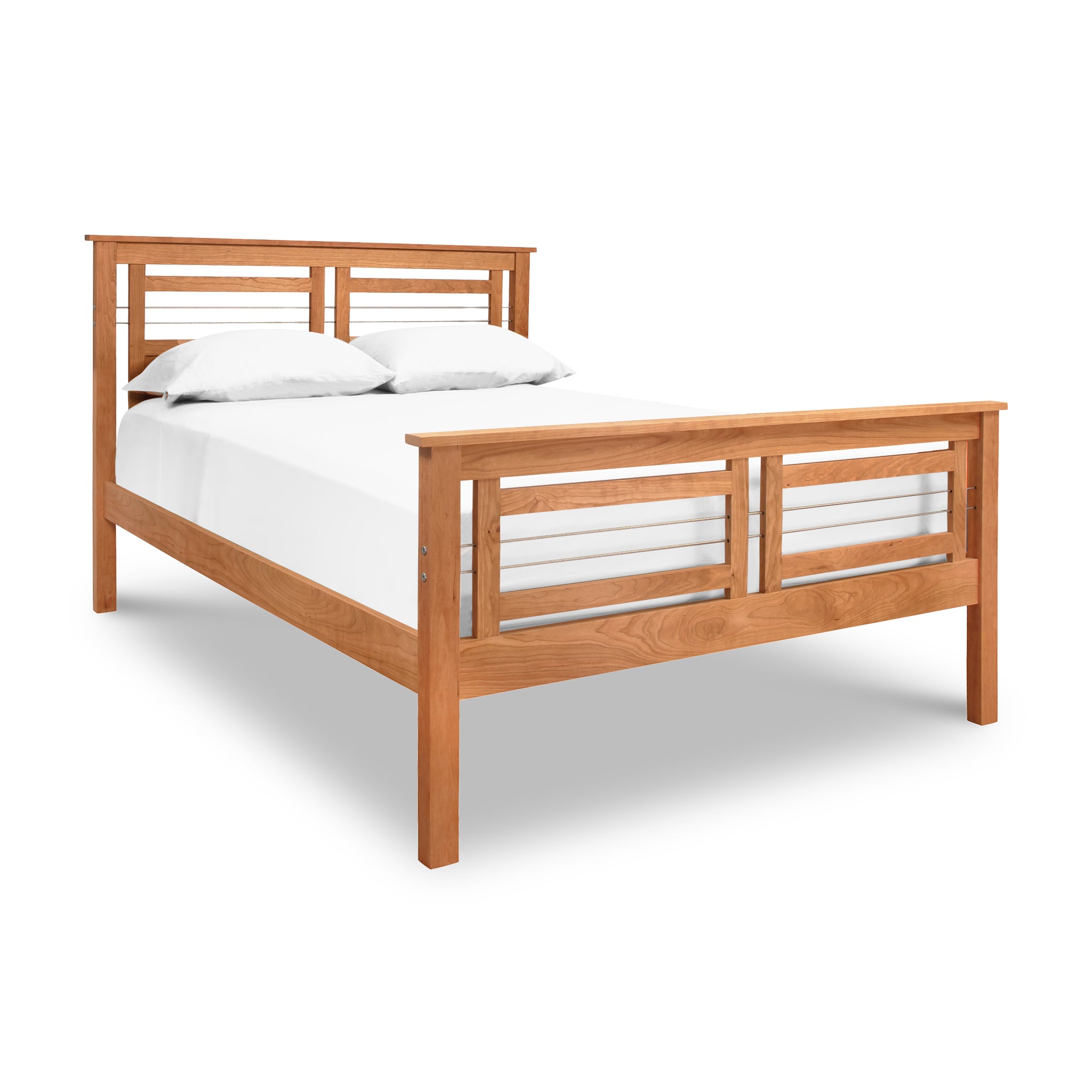
Contemporary Cable Bed
Solid hardwood bed handcrafted in Vermont, with traditional joinery and stainless steel cable accents, finished in eco-friendly hand-rubbed oil.
Material: Solid hardwoods. Construction: Solid frame with traditional joinery; stainless steel cable accents. Finish: Eco-friendly hand-rubbed oil. Origin: Handcrafted in Vermont, USA.
This bed is not a mere object but a conversation between rustic endurance and contemporary constraint. The stainless steel cables offer an architectural breath, a counterpoint to the warmth of the timber, while the finish preserves the wood’s living character. It is a testament to how function and form can negotiate a shared space in a luxury bedroom.
Alongside this, the Charlotte Upholstered Bed with Footboard offers a domestic counterpoint: a maple frame and upholstered surface that marries comfort with the discipline of carpentry. The bed becomes a stage on which textiles, colorways, and craftsmanship converge, inviting the sleeper to feel guided by a seat of design rather than a mere platform to lie upon.
Section VII — Look, Texture, and Tempo: A Mini Lookbook of Texture and Light
In the vocabulary of design, texture is a conductor. A lookbook of materials—oak’s quiet shimmer, walnut’s midnight grain, linen’s soft hush—becomes a guide to the mood of a room. The bed’s textures orchestrate the space’s tempo: a high-contrast timber with a matte finish can anchor a light, airy room; a soft, fabric-drowned headboard can invite intimate evenings and whispered conversations. The eye reads materials before the brain even calculates comfort, and the craftsperson’s subtle choices shape those first impressions.
The educational aim here is not to instruct readers to buy but to nourish discernment: to recognize the signals of a well-made bed—tight joints, even finishes, confident stance, and a spine-true ergonomic line. The reader learns to identify a joiner’s signature in a bed’s silhouette, to sense the difference between a purely decorative headboard and one that actually supports the neck in repose.
Closing Thoughts
Luxury handmade beds rise from a culture of care, where the bed is not just a place to sleep but a sanctuary that respects time, materials, and the body. The craft of ergonomic design is a living discipline: it evolves as new materials yield new possibilities, yet it remains anchored in the old truths—timber bears the history of its growth; joints tell of hand skill; and the sleeper’s alignment remains the ultimate measure of success.
For readers who seek to understand the interplay between craft and comfort, the pages of this magazine-like guide invite ongoing exploration. The journey from rough timber to a finished bed is, after all, a narrative of patience, precision, and care—an editorial chorus that celebrates the quiet luxury of a well-made night’s rest.
Further Reading and Resources
- Glossary of Joinery and Wood Types — A concise guide to mortise and tenon, dovetails, and timber species commonly used in luxury frames.
- Care and Maintenance for Premium Beds — How to preserve oil finishes, maintain upholstery, and manage wood dryness across seasons.
- Ergonomics of Sleep — A primer on mattress height, headboard proportions, and spinal alignment in bed design.
Product Spotlight
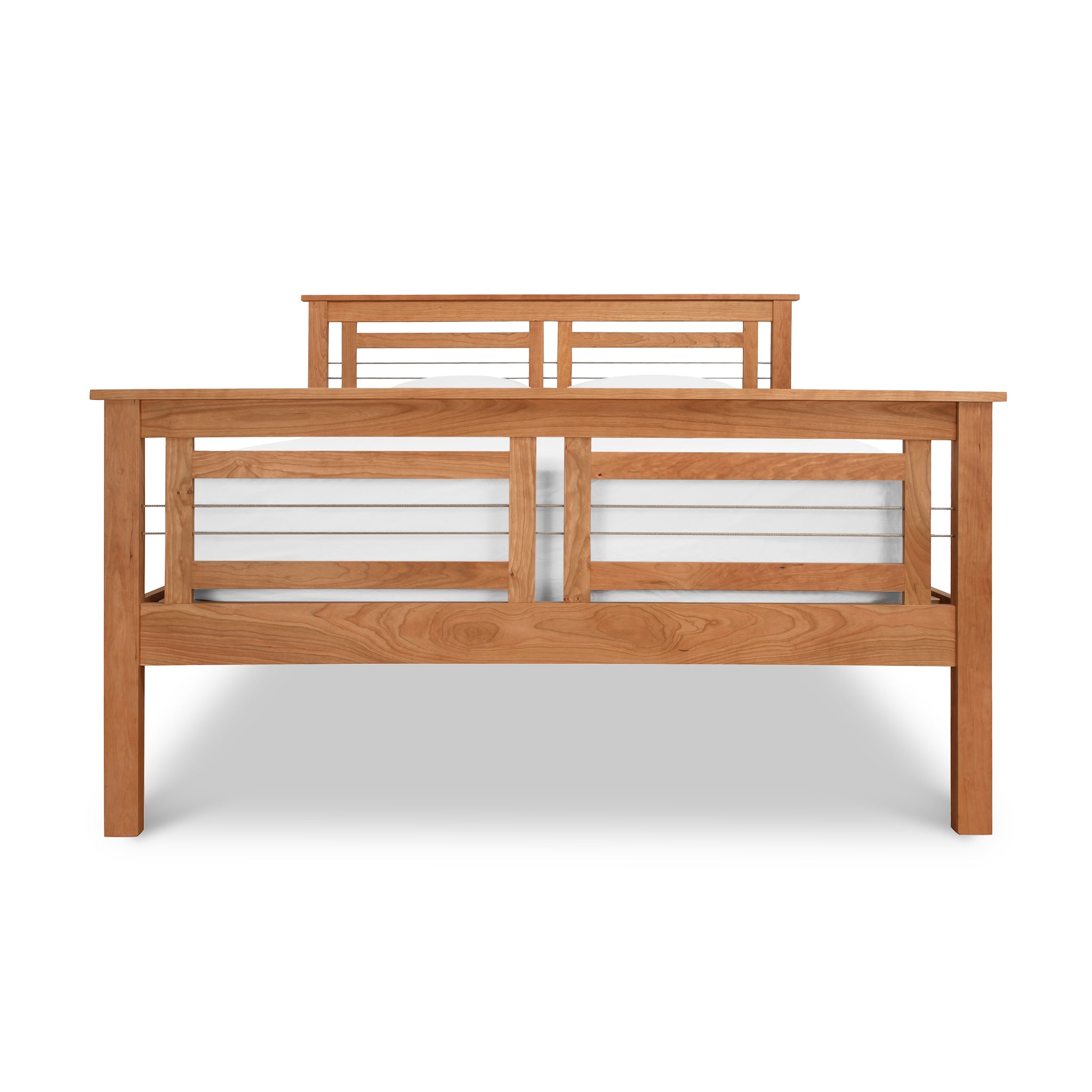
Contemporary Cable Bed
Solid hardwood bed handcrafted in Vermont, with traditional joinery and stainless steel cable accents, finished in eco-friendly hand-rubbed oil.
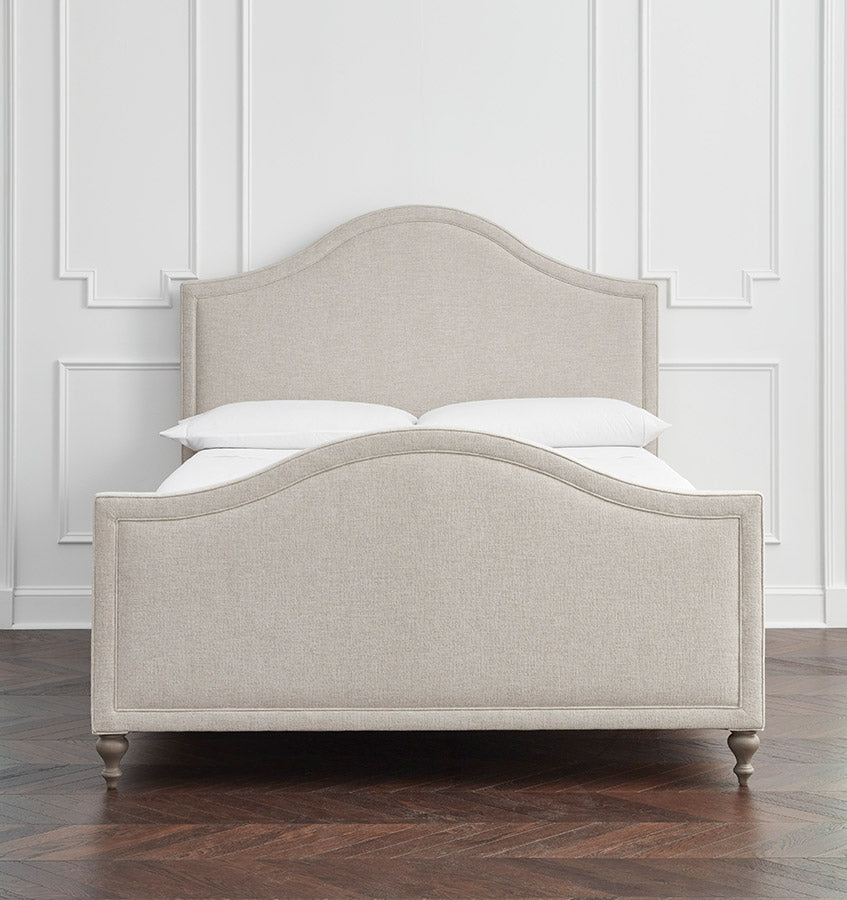
Charlotte Upholstered Bed with Footboard
Made to order in the USA with a Maplewood frame and 100% polyurethane upholstery; a testament to crafted comfort and precise finishing.
Keywords and Themes
This article engages with the themes of luxury, handmade craftsmanship, ergonomic design, traditional joinery, material selection, sustainable finishing, and the long arc of bed design history. It draws on the vocabulary of design criticism akin to The New Yorker—observant, patient, and attentive to the textures of material culture.